---
title: Why U.S. Citizenship Is Now Required for SBA Lending in Restaurant Transactions
description: SBA loan rules changed March 1, 2026. Learn how new citizenship requirements impact restaurant buyers, sellers, and financing options.
image: https://blog.wesellrestaurants.com/hubfs/youtube-Feb-17-2026-09-23-37-3480-PM.png
---
[](https://www.wesellrestaurants.com)
Questions? Call or Text [ 404-800-6700](tel:%20404-800-6700)
[Sign In | Register](https://www.wesellrestaurants.com/?showLogin=true) **
- [](https://www.wesellrestaurants.com/listings.php)
#### [Browse](https://www.wesellrestaurants.com/listings.php)
# [Restaurants for sale](https://www.wesellrestaurants.com/listings.php)
# Why U.S. Citizenship Is Now Required for SBA Lending in Restaurant Transactions
Posted by [Robin Gagnon](https://blog.wesellrestaurants.com/author/robin-gagnon) on Feb 17, 2026 5:21:00 PM
If you are considering buying a restaurant in 2026, a financing change taking place on March 1 could affect the outcome. The U.S. Small Business Administration (SBA) has significantly changed eligibility for their lending programs. The impact? For sellers and buyers, this could change who is eligible to be a partner, especially if they are green card holders.
Starting March 1, 2026, the updated policy states that every business applying for SBA-backed financing must be entirely owned by U.S. citizens or U.S. nationals whose principal residence is within the United States or its territories. The main impacted group under this ruling are permanent residents, known as green card holders. They are no longer eligible to own any percentage of a business that receives an SBA loan, even if that is just a minority interest. This is a significant departure, since a green card, issued for ten years, with an automatic three-year extension, has always been treated as evidence of lawful residency, and thus, eligible for lending.
*At [We Sell Restaurants](https://www.wesellrestaurants.com/), we believe buyers deserve financing clarity before they fall in love with a deal. In this article, we break down exactly what has changed, why it matters for restaurant buyers and sellers, how lenders are responding, and what alternative strategies exist today.*
| **Key Takeaway** As of March 1, 2026, permanent residency (green card) alone no longer qualifies a business owner for SBA-backed financing. Only U.S. citizens and U.S. nationals satisfy the new eligibility criteria. |
| --- |
# What Has Changed with SBA Loan Eligibility
For many years, SBA eligibility allowed lawful permanent residents (LPRs) to own a business and receive SBA-backed loans, provided they met other lender requirements. Previous guidance required that at least 51 percent of a business be owned by U.S. citizens or LPRs.
Effective March 1, 2026, two critical changes took effect through SBA Policy Notice 5000-876441:
1. **100 percent U.S. citizen or national ownership**is now required for any business applying for an SBA loan.
2. **Lawful permanent residents (green card holders) areno longer eligible owners** of businesses receiving SBA guarantees. Even a 1percent ownership stake by an LPR disqualifies the entire loan application.
These changes apply across theSBA's most important programs:
- **7(a) loans**: This is the SBA's primary product for working capital, equipment financing, and business acquisitions and used extensively for buying restaurants.
- **504 loans: **Typically used for major fixed assets, including real estate purchases. Legacy restaurant units, often independent concepts, will frequently own the real estate and take advantage of 504 loans with 25-year terms for the acquisition.
- Lower down payments — often as low as 10 to 20 percent
- Longer repayment terms than traditional bank financing
- Competitive interest rates tied to the prime rate
- Ability to finance goodwill, working capital, equipment, and real estate within a single loan
- **Stricter ownership verification. **Banks and credit unions making SBA loans are auditing citizenship status for all owners as part of underwriting.
- **Deal timing matters. **Applications submitted before March 1 with an assigned SBA loan number may still be processed under prior rules.
- **Alternative financing is rising. **Lenders offering conventional loans and private credit report increased inquiries from buyers who no longer qualify for SBA backing.
- **Conventional commercial loans**: Available from lenders willing to underwrite based on your personal credit profile and the business's cash flow.
- **Private investors or U.S. citizen partners: ** A citizen or investor may be a source of lending for non U.S. citizens.
- **Seller financing: T**he seller carries part of the purchase price under negotiated repayment terms.
- **Conventional commercial loans** from banks or credit unions willing to underwrite based on your personal financial strength and the business's cash flow history
- **Seller financing** where the seller carries back a portion of the purchase price under a promissory note, reducing the amount you need to finance through a lender
- **Private equity or family office financing** for larger acquisitions where the deal size attracts institutional interest
- U.S. passport or U.S. birth certificate
- Certificate of Naturalization (for naturalized citizens)
- Ownership agreements, operating agreements, or corporate filings showing ownership percentage
- Signed affidavits or declarations of U.S. citizenship for each owner
# Why This Change Matters for Restaurant Buyers
## SBA Loans Are Central to Restaurant Financing
Most restaurant purchases in the United States rely on SBA financing because of its uniquely favorable structure. Unlike conventional business loans, SBA products are specifically designed to make acquisition financing accessible. They typically offer:
This combination makes SBA financing one of the few realistic paths to buying a restaurant with financing, especially for first-time buyers. Without SBA access, restaurant buyers may need to bring more cash to the table or accept less favorable loan terms that impact cash flow for the future to service the debt.
## The Impact on Unsecured Lending
Some buyers assume that if SBA financing is unavailable, they can pivot to unsecured business loans. That maybe a practical resort however unsecured business loans will require a valid Social Security number, U.S. credit history, and documentation of long-term legal residency. For green card holders, these hurdles are often easy to meet if they have been in the U.S. for any period of time.
For buyers who lack permanent residency, just as with SBA lending, unsecured alternatives are generally limited.
# How Lenders Are Responding
We spoke with lending professionals familiar with SBA and small business financing to understand how the industry is adapting to the new rules.
A senior SBA lending officer at a mid-sized community bank told us the policy change has introduced a new layer of documentation and approval complexity: "We're now required to verify citizenship status for every owner, including indirect stakeholders. If there is any non-citizen ownership, the SBA won't guarantee the loan. It's a significant change from how things worked even a year ago."
Another SBA lender emphasized the importance of timing for deals already in motion: "Borrowers need to receive an SBA loan number prior to March 1 to preserve eligibility under the old rules. After that date, any new application must meet the citizenship ownership requirements."
Three clear patterns areemerging across the lending community:
# What This Means for Buyers Who Are Not U.S. Citizens
If you are not a U.S. citizen ordo not hold permanent residency, the updated SBA policy directly affects your financing options for any restaurant purchase starting March 1, 2026. SBA loans are unavailable for any business in which you hold ownership. However, you can still own and operate a restaurant in the U.S. Financing the restaurant purchase will simply require a different strategy.
For buyers on temporary work visas such as H-1B or E-2, realistic options outside the SBA include:
Restaurant buyers should also know that citizenship requirements may also impact the ability to hold an alcohol license in some states. That means a buyer will need a U.S. citizen or legal resident to hold the liquor license in their name if possible.
# Practical Steps for Buyers and Sellers
## If You Are a Buyer
- **Confirm financing eligibility before submitting offers.** Discuss your citizenship status with your Certified Restaurant Broker. They understand both SBA requirements and alternative loan products before you fall in love with a listing.
- **Clarify your documentation status.** If you are not a U.S. citizen, determine early whether alternative financing can meet your needs and your timeline.
- **Compare all financing options.** SBA is not the only path. Evaluate conventional loans, private credit, and seller-assisted financing side by side.
## If You Are a Seller
- **Be transparent about any seller notes or financing early.** SBA eligibility can make or break an offer. Ask about any buyer's residency status and plan accordingly.
- **Prepare for alternative financing scenarios. **Engage with the buyer and their advisor to understand how the deal will be structured if SBA is unavailable.
- **Manage timelines proactively.** If the deal relies on SBA financing and is in motion, confirm whether an SBA loan number can be secured before March 1.
# What This Rule Does Not Change
It is equally important to understand the boundaries of the new SBA policy. The updated rule does not prohibit non-citizens or green card holders from owning or operating businesses in the United States. Ownership rights are unchanged. What has changed is eligibility for SBA backing, financial loans to acquire the business, not the right to own a business in any way.
Additionally, the policy does not restrict access to conventional bank loans or private capital that do not rely on SBA guarantees. Green card holders and non-citizens can still pursue financing through non-SBA channels. The Certified Restaurant Brokers at We Sell Restaurants can connect you with alternative lending. It simply comes with different terms and requirements.
| **The Bottom Line** Starting March 1, 2026, SBA loans are available only to businesses fully owned by U.S. citizens or U.S. nationals residing in the United States or its territories. Green card holders no longer qualify as eligible owners for SBA-backed financing, regardless of ownership percentage. For restaurant buyers, financing eligibility is no longer a secondary conversation, it is foundational and must be addressed before any offer is made. |
| --- |
** **
**Frequently Asked Questions**
*SBA Eligibility Changes for Restaurant Buyers — 2026*
## Q: I have a green card. Can I still buy a restaurant?
Yes. Owning and operating a restaurant as a green card holder remains entirely legal in the United States. What changed on March 1, 2026 is your access to SBA lending programs. If you own any share of the business, that business is no longer eligible for an SBA7(a) or 504 loan for the future. You can still pursue conventional commercial loans, private credit, or seller financing but you should expect different terms and likely a higher equity requirement at closing.
## Q: What if I own only a small percentage, say 5 percent, of the business?
Even a 1 percent ownerships take by a non-U.S. citizen or green card holder disqualifies the entire loan application under the new SBA policy. There is no minimum threshold that permits partial non-citizen ownership. The rule is absolute: 100 percent of the business must be owned by U.S. citizens or U.S. nationals to qualify for SBA backing.
## Q: My spouse is a U.S. citizen. Can they take ownership to qualify for SBA financing?
Potentially, yes. However, this approach requires careful legal and financial structuring. If a U.S. citizen spouse holds 100 percent of the business ownership on paper, the entity may qualify for SBA financing. However, lenders will scrutinize the ownership structure during underwriting to ensure it reflects genuine, documented ownership and is not a work around. We strongly recommend consulting with both an immigration attorney and an experienced SBA lender before pursuing this path.
## Q: Does this rule apply to franchise restaurant purchases?
Yes. SBA eligibility requirements apply uniformly to all business types, including franchise acquisitions. Whether you are purchasing a standalone independent restaurant or a franchise location, the 100 percent U.S. citizen ownership rule applies to any business applying for SBA-backed financing. Franchise buyers who are non-citizens or green card holders should plan accordingly and speak with franchise-specific lenders early in the process.
## Q: I submitted my SBA application before March 1, 2026. Am I still covered under the old rules?
Potentially. According to SBA lenders we spoke with, applications that received an **SBA loan number **prior to March 1, 2026 may be processed under the prior rules. If you were in the middle of a transaction and received a loan number before the deadline, discuss the status directly with your lender. Do not assume the best-case scenario. Verify this explicitly with your SBA-approved lender.
## Q: What alternative financing options exist for non-citizen restaurant buyers?
Several paths remain open, though each comes with trade-offs compared to SBA financing:
## Q: Will seller financing cover the full purchase price?
In most cases, seller financing is used as a component of a larger deal structure rather than to fund the full purchase. Sellers typically finance 10 to 30 percent of the purchase price as a subordinated note, with the buyer securing the remainder through cash equity or a conventional loan. Sellers who are motivated to close, especially when a buyer otherwise cannot access SBA financing, may be willing to carry more. Every deal is different, so negotiation is key.
## Q: Does this SBA change affect restaurant sellers as well?
Yes, indirectly but importantly. If a significant portion of your prospective buyer pool consists of green card holders or non-citizens, you may see fewer qualified buyers who can secure SBA financing. This can affect deal velocity and in some cases price, particularly in markets with large immigrant entrepreneur communities. Sellers should work with experienced brokers who can identify buyer financing eligibility early and structure deals to maximize the qualified buyer pool.
## Q: What documentation will lenders require to verify SBA citizenship eligibility?
Lenders are now required to verify citizenship status for all business owners, including indirect stakeholders. Common documentation requested includes:
*Gather these documents early. Delays in citizenship verification have become a common bottleneck in the SBA approval process since the rule change.*
## Q: Where can I learn more or get help navigating these changes?
[We Sell Restaurants](https://www.wesellrestaurants.com/) works with buyers and sellers at every stage of the restaurant acquisition process, including financing strategy. Our team can connect you with SBA lenders, alternative financing professionals, and legal advisors who specialize in restaurant transactions. If your financing situation requires creative structuring, we have the expertise and the network to help you find a workable path forward.
*This article is for informational purposes only and does not constitute legal or financial advice. Readers should consult qualified legal and financial professionals before making financing decisions. SBA policy is subject to change; verify current requirements directly with an SBA-approved lender.*
Topics: [Buying a Restaurant](https://blog.wesellrestaurants.com/topic/buying-a-restaurant)
Search
Search Blog...
[](https://cta-redirect.hubspot.com/cta/redirect/147530/932f34a8-8633-4c81-8f3c-7df9b1ec3355)
###### Popular Posts
- [ ](https://blog.wesellrestaurants.com/from-two-store-complexity-to-a-three-week-turnaround-two-restaurant-deals-that-closed)
[From Two-Store Complexity to a Three-Week Turnaround: Two Restaurant Deals That Closed](https://blog.wesellrestaurants.com/from-two-store-complexity-to-a-three-week-turnaround-two-restaurant-deals-that-closed)
July 02, 2026
- [ ](https://blog.wesellrestaurants.com/how-liquor-license-transfers-work-when-selling-a-restaurant)
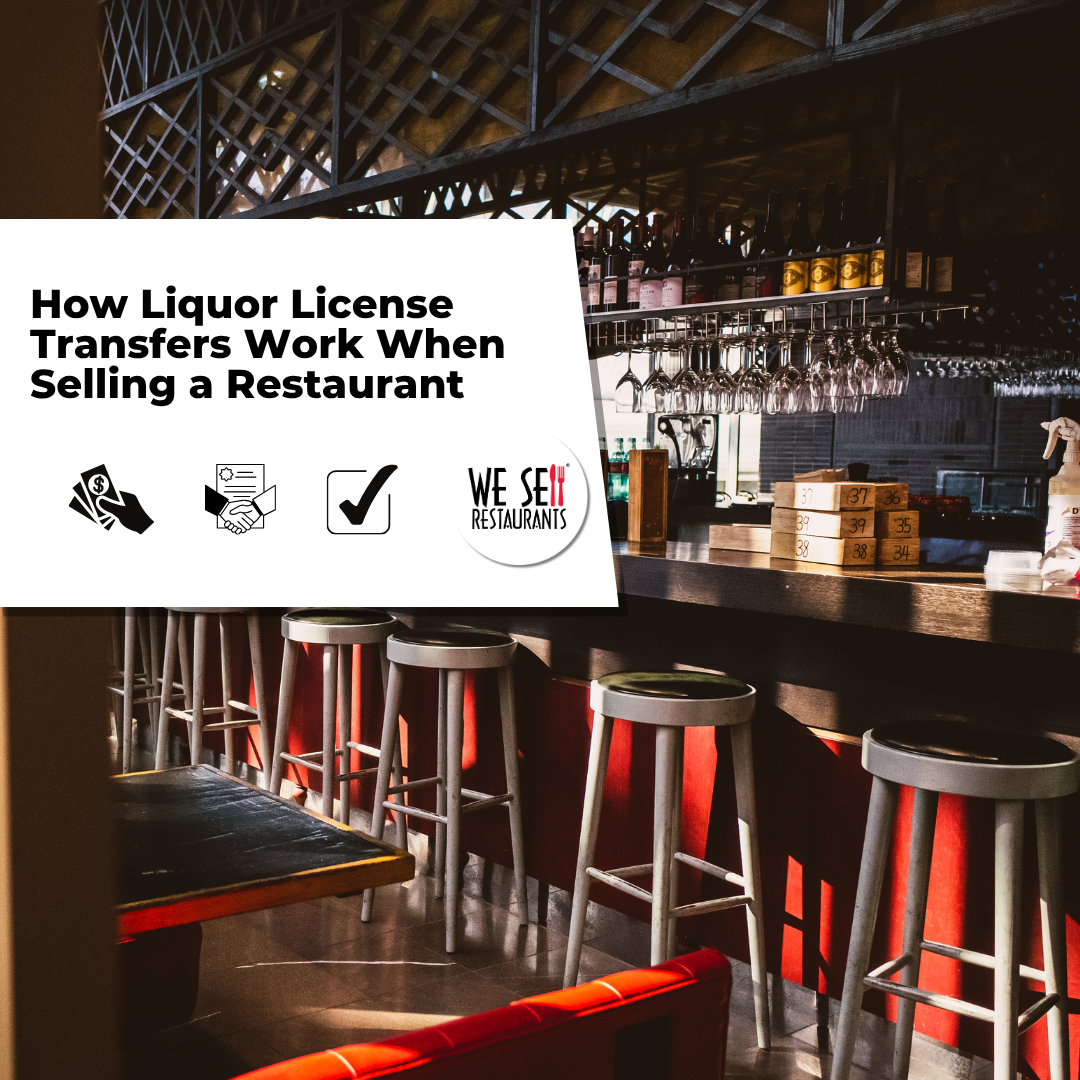
[How Liquor License Transfers Work When Selling a Restaurant](https://blog.wesellrestaurants.com/how-liquor-license-transfers-work-when-selling-a-restaurant)
June 30, 2026
- [ ](https://blog.wesellrestaurants.com/what-buyers-are-looking-for-right-now-may-2026-restaurant-market-update)
[What Buyers Are Looking for Right Now: May 2026 Restaurant Market Update](https://blog.wesellrestaurants.com/what-buyers-are-looking-for-right-now-may-2026-restaurant-market-update)
June 29, 2026
- [ ](https://blog.wesellrestaurants.com/the-changing-landscape-of-due-diligence-for-buying-a-restaurant)
[The Changing Landscape of Due Diligence for Buying a Restaurant](https://blog.wesellrestaurants.com/the-changing-landscape-of-due-diligence-for-buying-a-restaurant)
June 25, 2026
- [%20(1).png) ](https://blog.wesellrestaurants.com/how-to-sell-a-restaurant-that-isnt-profitable-yet-but-will-be)
[How to Sell a Restaurant That Isn't Profitable Yet (But Will Be)](https://blog.wesellrestaurants.com/how-to-sell-a-restaurant-that-isnt-profitable-yet-but-will-be)
June 23, 2026
### Posts by Topic
- [Buying a Restaurant (520)](https://blog.wesellrestaurants.com/topic/buying-a-restaurant)
- [Financing a Restaurant (31)](https://blog.wesellrestaurants.com/topic/financing-a-restaurant)
- [Leasing a Restaurant (40)](https://blog.wesellrestaurants.com/topic/leasing-a-restaurant)
- [PRESS (2)](https://blog.wesellrestaurants.com/topic/press)
- [Restaurant Broker Franchise (124)](https://blog.wesellrestaurants.com/topic/restaurant-broker-franchise)
- [Restaurant Brokers (244)](https://blog.wesellrestaurants.com/topic/restaurant-brokers)
- [Restaurant Franchise Resales (63)](https://blog.wesellrestaurants.com/topic/restaurant-franchise-resales)
- [Restaurants for Sale (104)](https://blog.wesellrestaurants.com/topic/restaurants-for-sale)
- [Seller Stories (33)](https://blog.wesellrestaurants.com/topic/seller-stories)
- [Selling a Restaurant (374)](https://blog.wesellrestaurants.com/topic/selling-a-restaurant)
- [Support for Restaurants - COVID19 Advice (46)](https://blog.wesellrestaurants.com/topic/support-for-restaurants-covid19-advice)
[see all](https://blog.wesellrestaurants.com/why-u.s.-citizenship-is-now-required-for-sba-lending-in-restaurant-transactions#)
###### Follow Us
6 Meridian Home Ln. Ste 101
Palm Coast, FL 32137
404-800-6700
©2025 We Sell Restaurants® and the We Sell Restaurants logo are federally registered trademarks of WSR Franchise, LLC.All Rights Reserved.
Each office is independently owned and operated [Terms of Use](https://www.wesellrestaurants.com/terms-of-use) | [Privacy Policy](https://www.wesellrestaurants.com/privacy-policy)
[**](https://www.facebook.com/WeSellRestaurants) [**](https://twitter.com/sellrestaurants) [**](https://www.youtube.com/wesellrestaurants) [**](https://www.linkedin.com/wesellrestaurants) [**](mailto:info@wesellrestaurants.com)